
Walcott’s 1955 Record
Five centuries and a world record in a losing cause.

In the history of cricket, 1955 remains the year of Sir Clyde Walcott. While the West Indies team struggled, Walcott stood like a giant, setting a world record that still stands today: hitting five centuries in a single Test series. Even more impressive is that he achieved this while battling a back injury so painful he couldn’t pick up a bat until ten days before the first match.
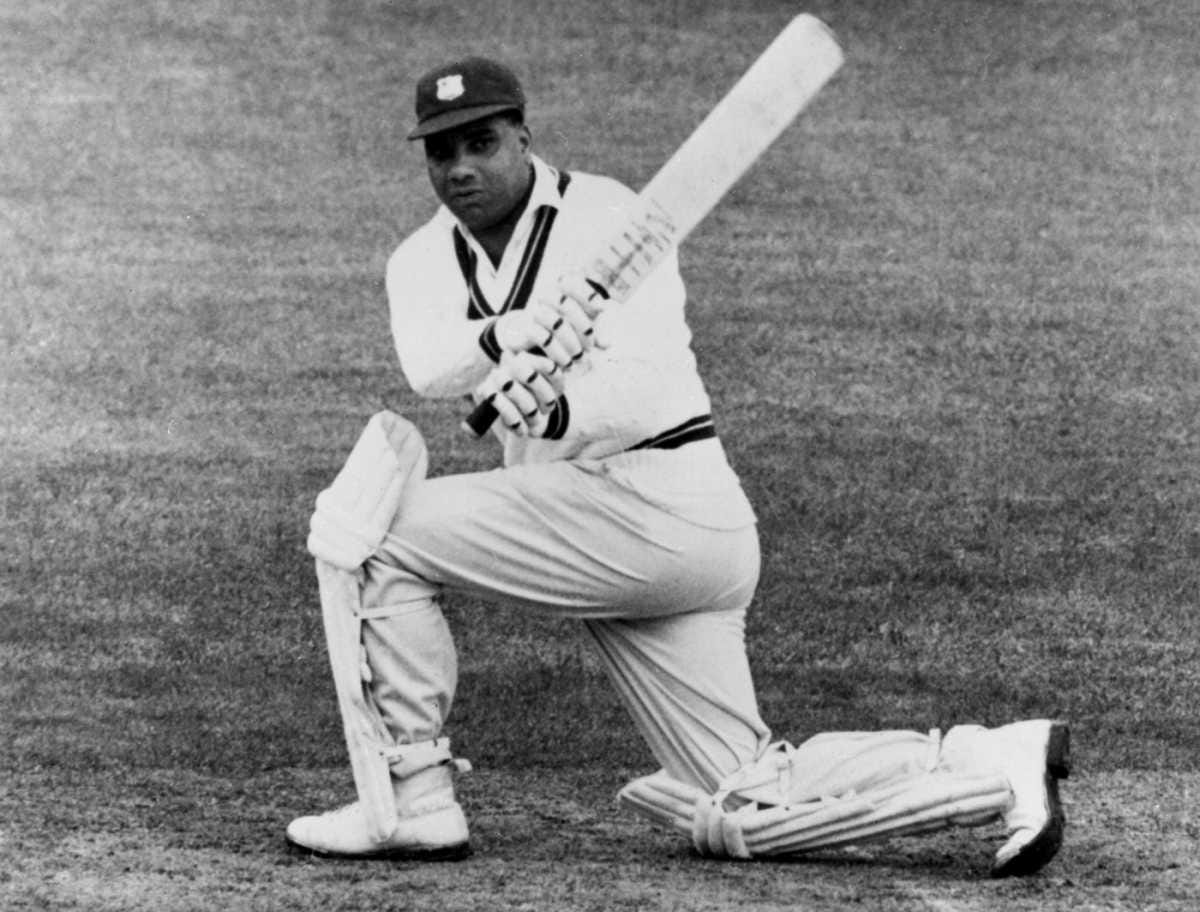
Standing 6 feet 2 inches tall and weighing 90 kgs, Walcott was known for pure power. He was the youngest of the “Three Ws”—a legendary trio of batsmen from Barbados— and he used his massive frame to “club” the ball with thunderous force.
A Battle in Five Acts
Test 1: Kingston (Australia won by 9 wickets)
The series began at Sabina Park, where Australia dominated by scoring 515 runs. Walcott was the only West Indian to resist, scoring a determined 108. He also led his team’s bowling with 3 wickets for 50 runs, but it wasn’t enough to stop an easy Australian victory.
Test 2: Port of Spain (Drawn)
In Trinidad, Walcott reached a historic milestone by scoring a century in both innings—126 in the first and 110 not out in the second. He became the first West Indian player ever to score “twin tons” against Australia, helping the West Indies escape with a draw after Australia piled up 600 runs.
Test 3: Georgetown (Australia won by 8 wickets)
This match featured one of the unluckiest moments in cricket history. After scoring 8 in the first innings, Walcott was batting beautifully on 73 in the second. As he set off for a run, he accidentally stepped on his own stumps and was out “hit wicket”. Deprived of his anchor, the West Indies collapsed and lost the game.
Test 4: Bridgetown (Drawn)
On his home ground in Barbados, Walcott played a crucial supporting role. After a small score of 15 in the first innings, he hit a punishing 83 in the second to help save the match. The game is also famous for a massive world-record partnership between his teammates, Denis Atkinson and Clairmonte Depeiaza.
Test 5: Kingston (Australia won by an innings and 82 runs)
Walcott finished the series at his absolute peak. He scored 155 in the first innings and another 110 in the second. This made him the only player in history to score twin centuries twice in the same series. However, the Australian team was too strong, scoring a record 758 runs with five different players hitting hundreds.
Victory in Defeat
Despite Walcott’s 827 runs and five hundreds, the West Indies lost the series 3–0. The team simply didn’t have the bowling strength to match the legendary Australian attack of Ray Lindwall and Keith Miller. One historian noted that Walcott’s bat alone stood between “West Indies shame and the Australian onslaught”.
Conclusion: The Legacy of a Statesman
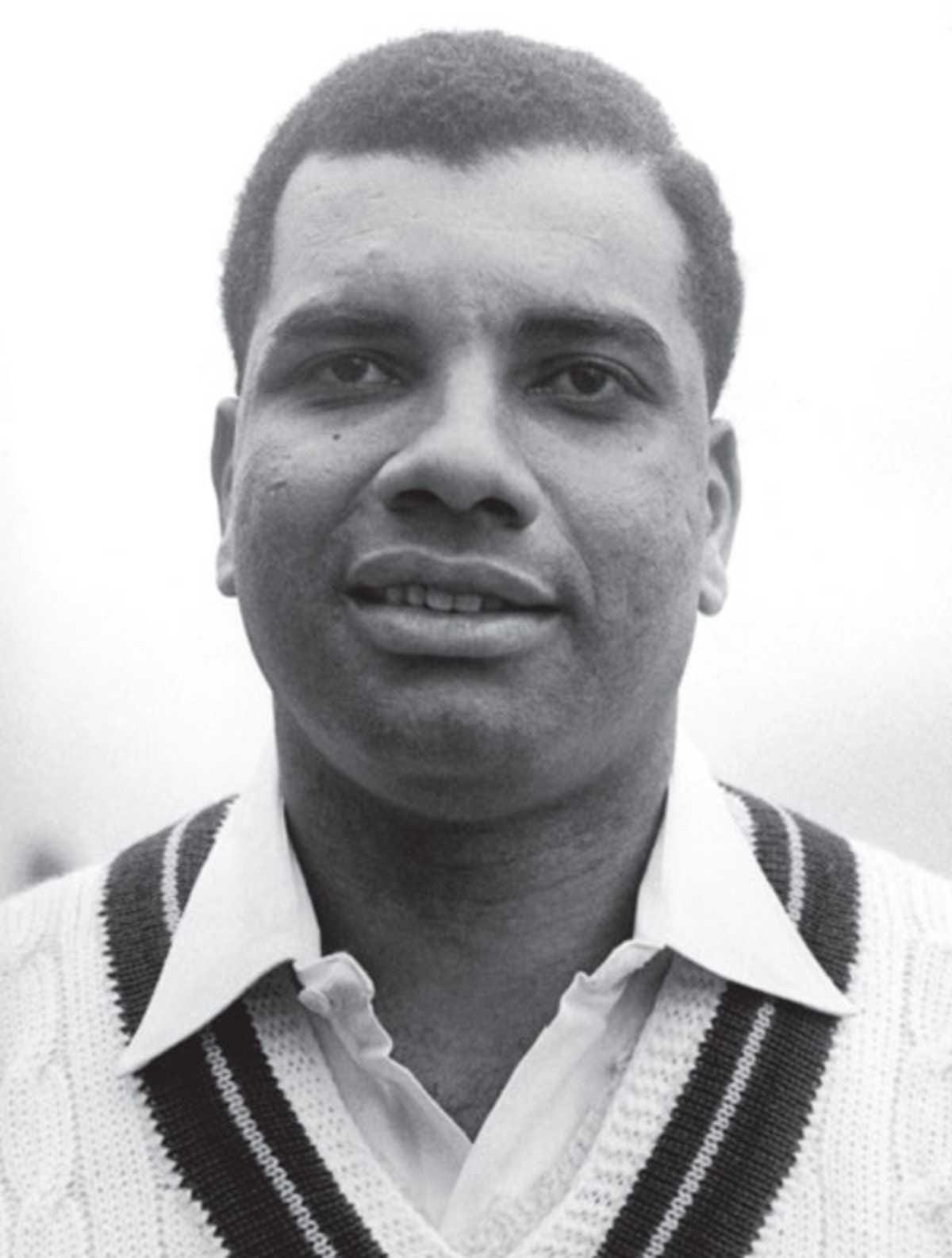
Clyde Walcott’s 1955 summer was about more than just numbers; it was about dignity. In a time when Black players were often denied the chance to captain the team, his runs were a form of “silent leadership” that proved his worth to the world. He retired early at age 34 due to disputes over pay and the “glass ceiling” of the captaincy.
However, his influence only grew after retirement. He became a legendary coach in Guyana, the manager of two World Cup-winning teams, and eventually the first Black chairman of the International Cricket Council (ICC). Today, as modern stars like Shubman Gill approach his milestones, Walcott’s 1955 record remains the ultimate peak of batting excellence—a testament to a man who conquered the world’s best bowlers while standing tall for his people.
Good article and pleased to read an appreciation of perhaps the least celebrated of the 3 W's.
Minor correction; while Walcott was the first West Indian to score twin hundreds against Australia but he certainly wasn't the first player - Herbert Sutcliffe, Wally Hammond and Denis Compton had all done so before